Janggi wiki · History and comparisons
Why are Janggi’s sides called Han and Cho?
The characters Han (漢) and Cho (楚) on Janggi’s generals recall the struggle between Liu Bang and Xiang Yu. Follow the fall of Qin, the roles of Han Xin and Zhang Liang, and the story’s later life in Korean fiction, song, and dance.
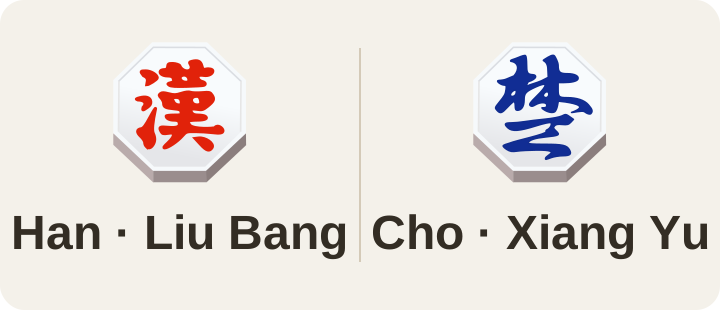
漢 marks Han, associated with Liu Bang; 楚 marks Cho, the Korean reading of Xiang Yu’s Chu. Diagram composed from Kadagaden piece SVGs, CC BY 4.0. The pieces are not portraits of the historical figures. View source
Han and Cho are the names of Janggi’s two opposing sides. Han refers to the dynasty founded by Liu Bang; Cho is the Korean reading of 楚, the Chu associated with Xiang Yu. The general is each side’s royal piece, and its character marks its allegiance. The names lead back to the collapse of Qin in the late third century BCE.
Qin unifies an empire—and soon falls
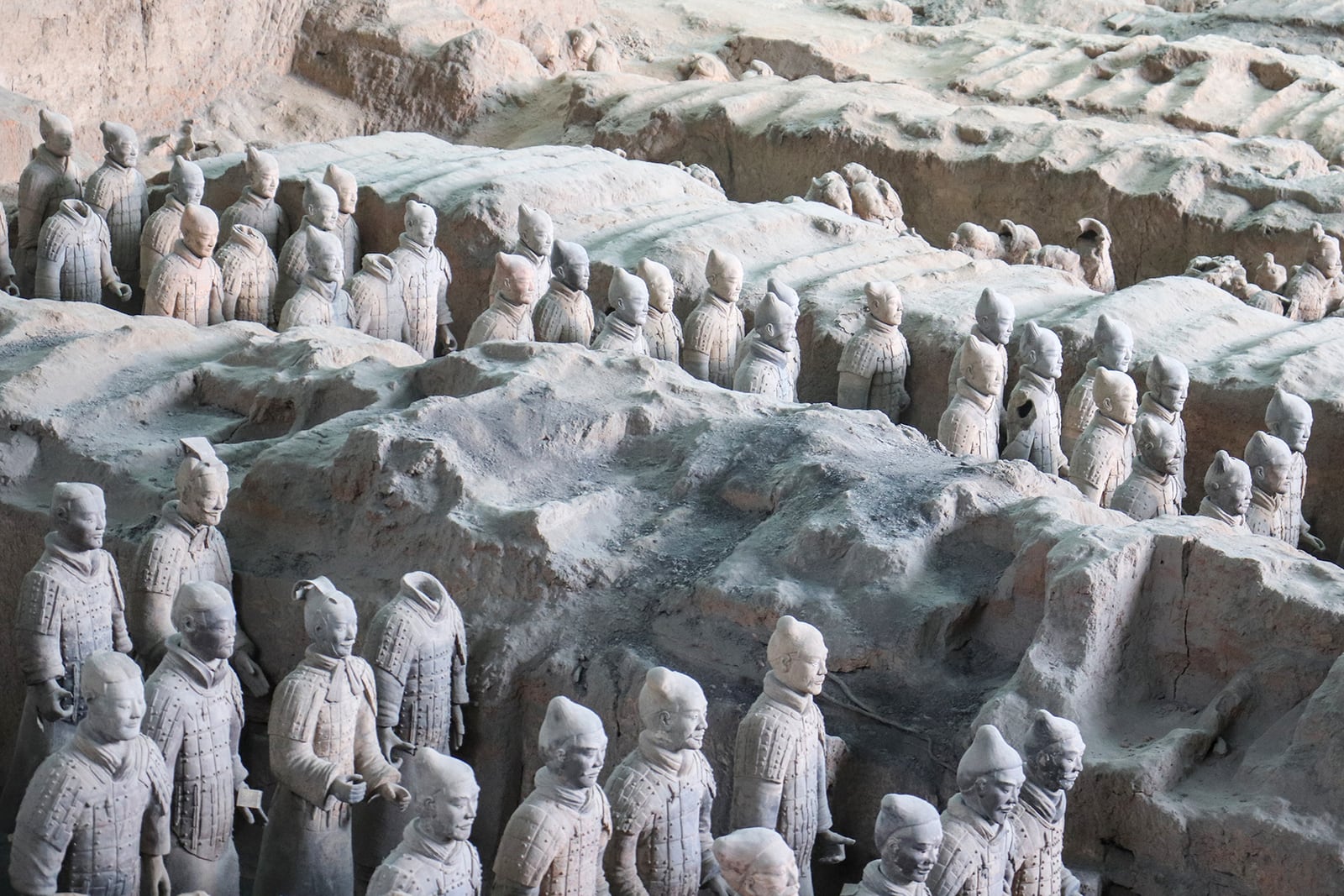
In 221 BCE, King Zheng of Qin conquered six rival states and adopted the title of emperor. He is known as Qin Shi Huang, the First Emperor of Qin. Centralized authority and reforms to writing and measurement helped bind a large territory into an empire.[3][4][5]
Qin did not survive long after his death in 210 BCE. Rebellions and struggles for power brought down its rule. Leaders who had fought Qin then competed to shape the next political order. Xiang Yu and Liu Bang became its principal rivals.
Xiang Yu’s Chu and Liu Bang’s Han
Xiang Yu came from a family of generals of the former state of Chu and gained military renown fighting Qin. After its fall, he declared himself Hegemon-King of Western Chu and divided territories among rival leaders. Liu Bang had been a minor local official in Pei before joining the rebellion; this settlement made him King of Han.[4][5][2]
Their contest for power in 206–202 BCE is known as the Chu–Han contention. Han (漢) identifies Liu Bang’s side; Chu (楚), pronounced Cho in Korean, identifies Xiang Yu’s. Janggi’s side names recall this rivalry.
Han Xin: recognition and a commander’s plan
The Shiji, an ancient history compiled after these events, recounts that Han Xin first served Xiang Yu but his proposals were ignored. Moving to Liu Bang did not immediately bring him a major role. When he left, Xiao He pursued him, brought him back, and repeatedly urged Liu Bang to appoint him as commander.[6][5]
Xiao He also handled administration and supplies, providing the resources needed to keep armies in the field. Commanders, advisers, and officials connecting people with provisions all contributed to the campaign.
Han Xin’s battle at Jingxing includes the famous deployment with water behind his troops. In the Shiji account, cavalry hidden separately seized the enemy’s emptied camp. The episode is often remembered as desperate resistance, but the recorded plan also drew the enemy out and disrupted its position.
Zhang Liang: changing decisions through advice
Zhang Liang’s courtesy name was Zifang; its Korean reading gives the familiar name Jang Jabang. The Shiji presents him as an adviser to Liu Bang. At the Hongmen Banquet, a meeting between the two rivals, Xiang Yu’s relative Xiang Bo warned Zhang Liang of danger. Zhang passed the warning to Liu Bang and helped him respond.[7][4][8]
After a defeat, Zhang Liang also advised Liu Bang on alliances. The Shiji recounts his recommendation to cooperate with Han Xin, Peng Yue, and Ying Bu. While Han Xin’s story centers on battlefield command, Zhang Liang’s shows how advice and alliances could alter the course of war.
These episodes come from a historical work written after the events. Later novels and performances expanded scenes featuring the same people. A historical account and a literary retelling should be read as different kinds of evidence.
Gaixia and “Chu songs on every side”
Near the end of the conflict, Xiang Yu was surrounded at Gaixia. The Shiji recounts that Chu songs could be heard from the Han forces at night. This scene underlies samyeon choga, the Korean expression for being surrounded by enemies without help. The singing is an episode transmitted in the historical account.[4][5][2]
After Xiang Yu’s defeat, Liu Bang became emperor in 202 BCE, beginning the Han dynasty. Choosing Cho in Janggi does not oblige a player to repeat Xiang Yu’s fate. The historical outcome and the result of a game played today are separate.
Elsewhere at roughly the same time
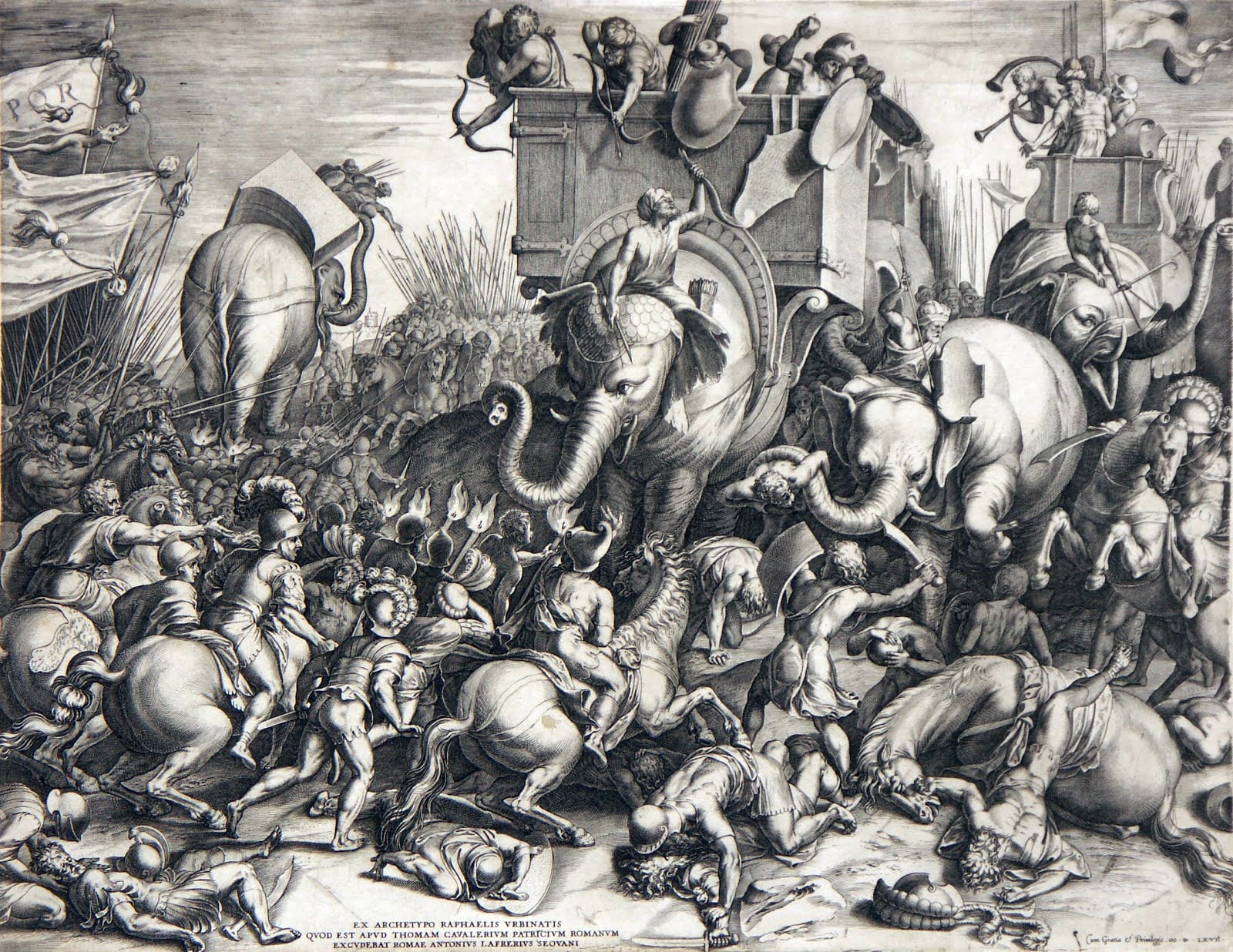
In the Mediterranean, Scipio of the Roman Republic defeated Carthage’s Hannibal at Zama in 202 BCE—the year Liu Bang became emperor.[12][13][14]
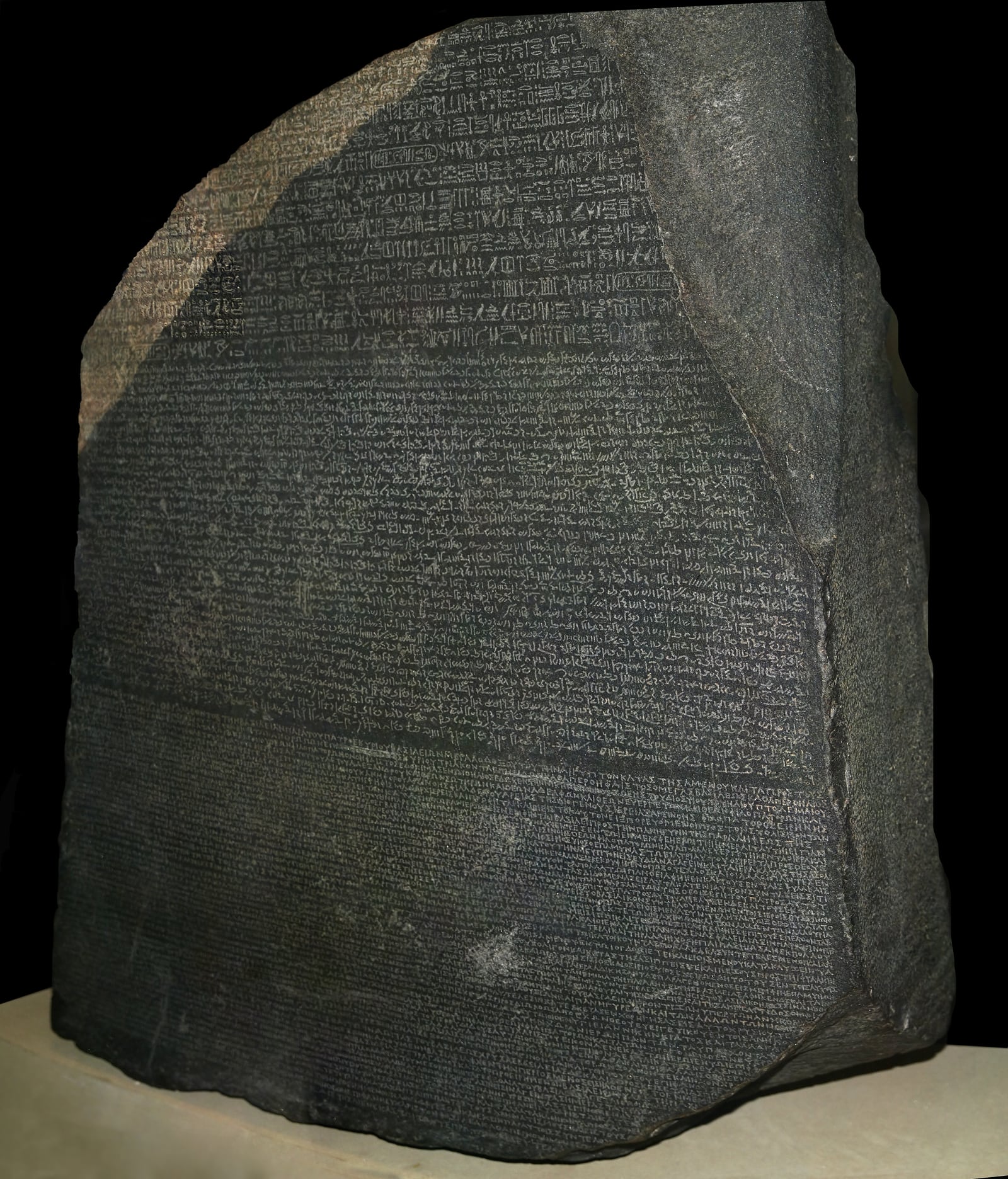
Ptolemy V ruled Egypt. The Rosetta Stone dates to 196 BCE, six years after the Chu–Han conflict ended, and records the same decree in Egyptian hieroglyphic, Demotic, and Greek scripts.
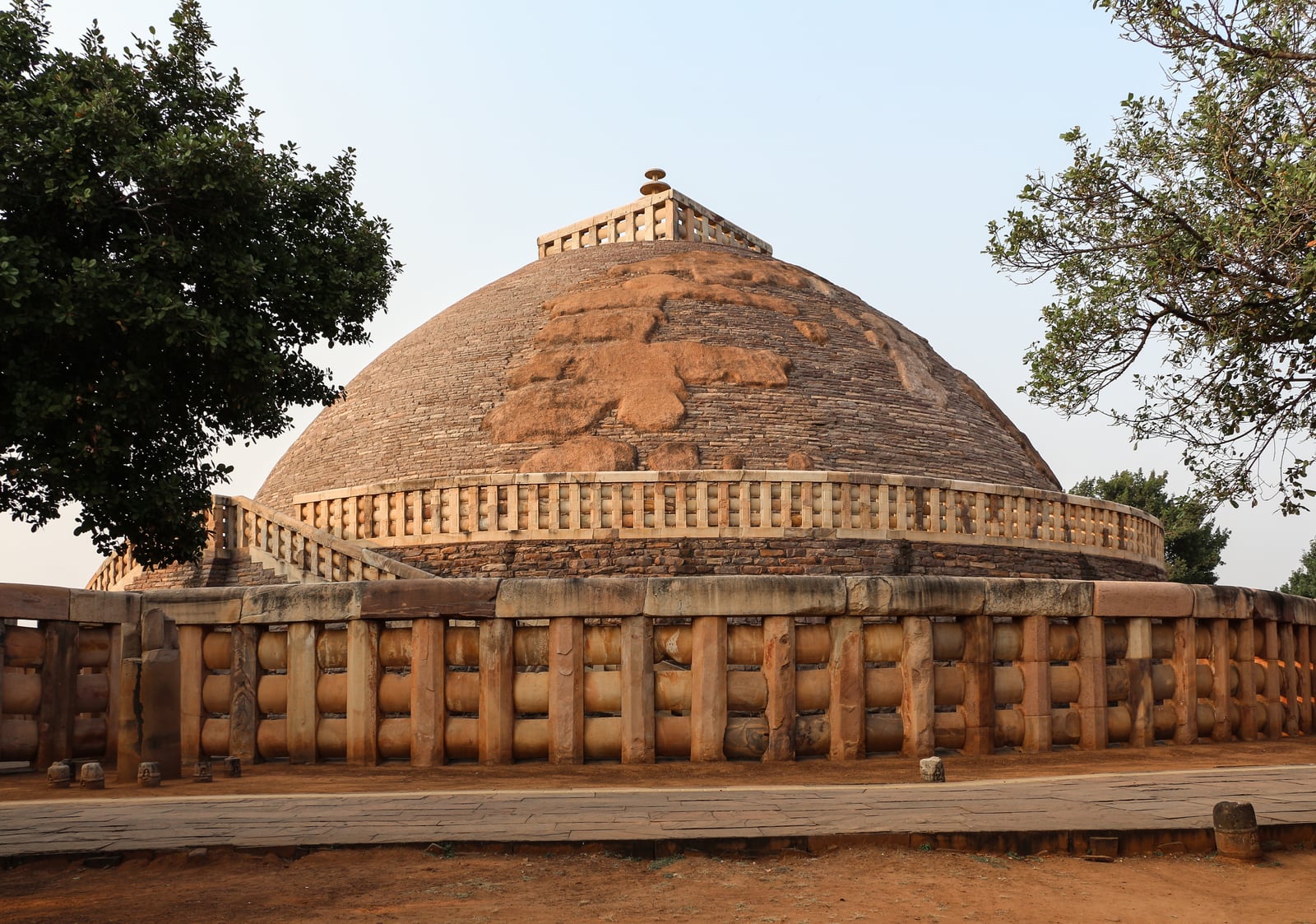
At Sanchi in India, Buddhist monuments founded under Ashoka in the third century BCE continued to develop. The great stupa’s visible form and carved gateways also include later construction.
Korean readers, singers, and dancers
Korean connections to Xiang Yu, Liu Bang, and Zhang Liang can be found in the reading, singing, and performance of their stories. Fiction in the Seohan yeonui tradition retold the Chu–Han conflict. Works titled Jangjabang silgi and Chopaewang silgi also appeared, bringing historical figures to new audiences as literary protagonists.[8][9][10][11][2]
Chohanga is a song about the conflict and Xiang Yu’s defeat in the Seodo japga repertoire, associated with the Pyeongan and Hwanghae regions of Korea. Hangjangmu, a dance based on the Hongmen Banquet, appears in a record of an 1873 court performance. Encounters first read in texts were also conveyed through voice and movement.
Janggi’s 漢 and 楚 connect with this familiar narrative in Korean culture. The novels, songs, and dances do not establish when or how the characters were first assigned to Janggi’s sides. Cultural familiarity and the game’s chronology are different questions.
The names’ background and the game’s origin
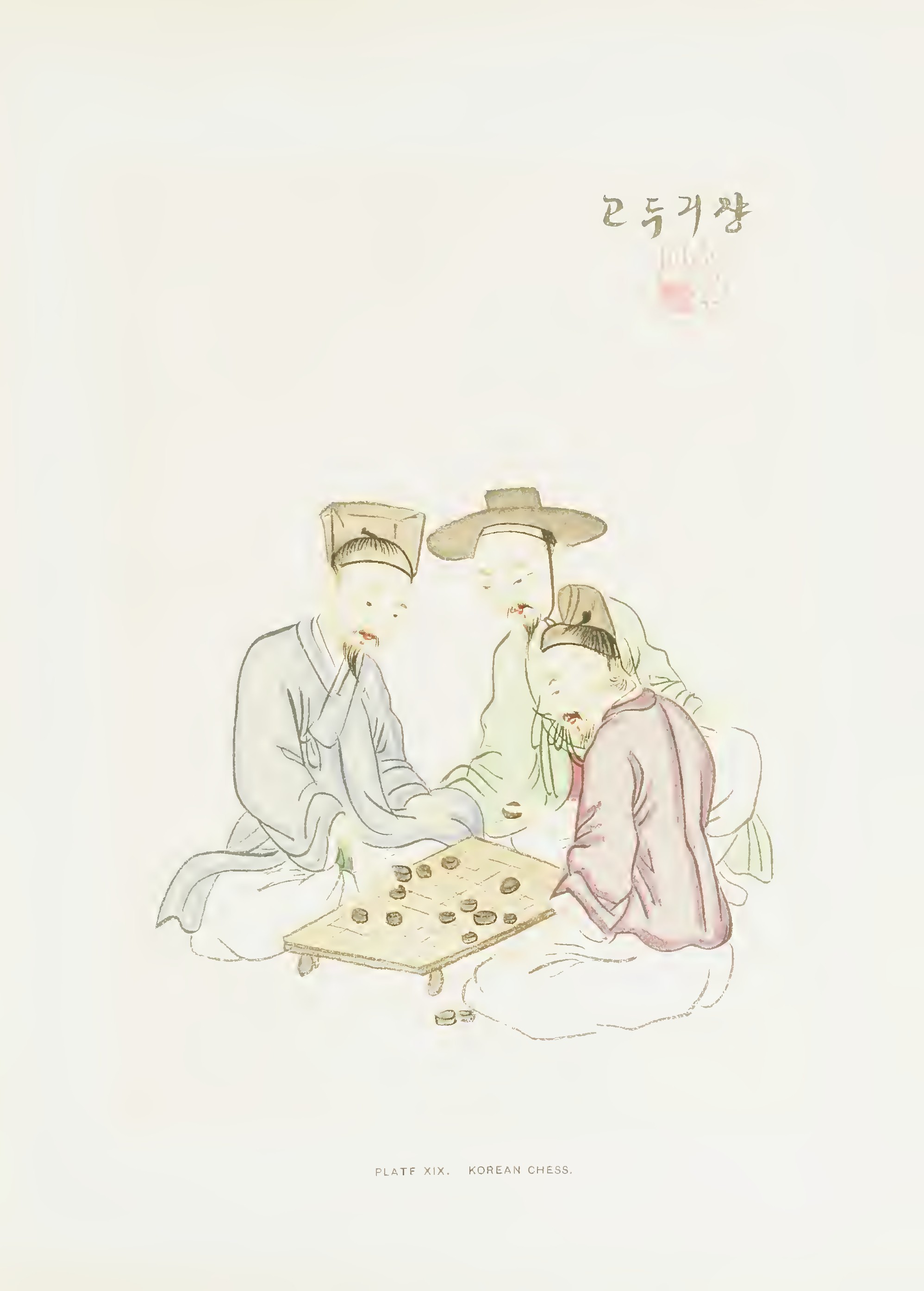
The historical background of Han and Cho is the rivalry between Liu Bang and Xiang Yu. Those names alone do not establish that Janggi was invented during their conflict. Its exact emergence and transmission require separate documentary evidence.[2][6][7]
Han Xin and Zhang Liang offer stories about deployment, advice, and cooperation. The sources here do not establish them as the direct origin of particular Janggi pieces or movement rules. Han Xin’s water-backed deployment is a historical military episode; Korean Janggi has no river-crossing rule.
The two characters can evoke both an ancient rivalry and the Korean cultural life of its stories. The next move belongs to the players sitting at the board today.
References
- Encyclopedia of Korean Culture · JanggiSupporting information on the board, pieces, and historical context. Korean source. · Source checked: 2026-09-22
- The Metropolitan Museum of Art · Qin dynastyQin unification, chronology, and the reign of Qin Shi Huang. · Source checked: 2026-10-06
- Shiji, volume 7 · Xiang YuAncient historical account of Xiang Yu, the Hongmen Banquet, and Gaixia. Classical Chinese transcription on Wikisource. · Source checked: 2026-10-06
- Shiji, volume 8 · GaozuLiu Bang’s career and the founding of Han. Classical Chinese transcription on Wikisource. · Source checked: 2026-10-06
- Shiji, volume 92 · Han XinXiao He’s recommendation and Han Xin’s battle at Jingxing. Classical Chinese transcription on Wikisource. · Source checked: 2026-10-06
- Shiji, volume 55 · Zhang LiangZhang Liang at the Hongmen Banquet and his advice on alliances. Classical Chinese transcription on Wikisource. · Source checked: 2026-10-06
- Encyclopedia of Korean Culture · Seohan yeonuiKorean reception of historical fiction about the Chu–Han conflict. Korean source. · Source checked: 2026-10-06
- Encyclopedia of Korean Culture · HangjangmujeonFiction about the Hongmen Banquet, including Jangjabang silgi and Chopaewang silgi. Korean source. · Source checked: 2026-10-06
- Encyclopedia of Korean Culture · ChohangaA song in the Seodo tradition drawing on the Chu–Han conflict and Xiang Yu’s defeat. Korean source. · Source checked: 2026-10-06
- National Gugak Center · HangjangmuA dance based on the Hongmen Banquet and its 1873 court-performance record. Korean source; embedded media are not reproduced. · Source checked: 2026-10-06
- The Metropolitan Museum of Art · North Africa, 1000 BCE–1 CEChronology of the Battle of Zama in 202 BCE and the Second Punic War. · Source checked: 2026-10-06
- British Museum · The Rosetta StonePtolemy V and the three scripts on the decree dated 196 BCE. · Source checked: 2026-10-06
- UNESCO · Buddhist Monuments at SanchiFoundation under Ashoka and construction added in later periods. · Source checked: 2026-10-06
- Windmemories · Terracotta Army, Pit 1Photographed 24 September 2023 at the Emperor Qin Shi Huang Mausoleum Museum. Resized and JPEG-compressed. CC BY-SA 4.0. · Source checked: 2026-10-06
- Cornelis Cort · Battle of Zama (1567)Later engraving held by the Hunterian Museum and Art Gallery. JPEG-compressed from the digitally level-adjusted Commons reproduction. Public domain. · Source checked: 2026-10-06
- Hans Hillewaert · Rosetta Stone photographPhotographed 21 November 2007. Object held by the British Museum. Resized and JPEG-compressed. CC BY-SA 4.0. · Source checked: 2026-10-06
- Bernard Gagnon · Sanchi, Stupa 1Photographed 3 December 2013. Resized and JPEG-compressed. CC BY-SA 3.0. · Source checked: 2026-10-06
- Creative Commons · Attribution-ShareAlike 4.0 InternationalReuse terms for the Terracotta Army and Rosetta Stone photographs and their derivatives. · Source checked: 2026-10-06
- Creative Commons · Attribution-ShareAlike 3.0 UnportedReuse terms for the Sanchi photograph and its derivative. · Source checked: 2026-10-06
- Stewart Culin · Korean Games (1895)W. H. Wilkinson’s chapter, pp.82–84 and Fig.93: lettering, three sizes, octagonal pieces and a footnote about round pieces; also a reproduction of Kim Jun-geun’s painting. Public domain. · Source checked: 2026-10-06
- Penn Museum · Playing Janggi (21574U)Title, 1886 date, and collection information for Kim Jun-geun’s original painting. · Source checked: 2026-09-22
- Creative Commons · Public Domain Mark 1.0Rights description for the 1895 illustration. · Source checked: 2026-09-22
- Kadagaden · Janggi piece SVGsOriginal piece artwork. Small-screen vectors are modified to remove blur filters. CC BY 4.0. · Source checked: 2026-09-22
- Creative Commons · Attribution 4.0 InternationalReuse and attribution terms for the piece artwork. · Source checked: 2026-09-22